Tel: +886-4-7810-311
E-mail: willy@pefilm.com.tw
Tel: +886-4-7810-311
E-mail: willy@pefilm.com.tw
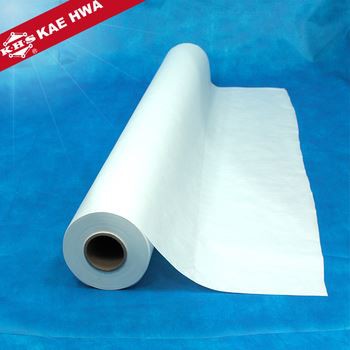
TPEE is an environmentally friendly material with various structures. It is a thermoplastic polyester elastomer (TPEE). It is a block copolymer polymer composed of short rigid segments (crystalline phase) and long soft segments.
Competitive Price
We have a professional purchasing team and costing team, trying to reduce costs and profits, and provide you with a good price.
Production Equipment
We have devoted amount of resource for maintain and keep our equipment in the best state for our customers.
Professional Team
Our self-developed additives based on our professional chemical knowledge, such as wet indicator ink, coating glue, antistatic additives, etc., can provide professional advice to customers facing chemical problems.
Product Tracking System
With a complete traceability system, once the batch number is obtained, the entire production process and raw materials can be traced
What is Monolithic Film
Monolithic film refers to a type of material that lacks pores or voids throughout its structure, presenting a continuous and homogeneous composition. Unlike microporous films, monolithic films do not possess microscopic openings or passages for the transmission of gases or liquids.
Monolithic films offer excellent antiviral properties due to their continuous, non-porous structure. Unlike microporous films, which may have microscopic gaps that could potentially allow viral particles to pass through, monolithic films provide a seamless barrier against viruses. This feature is particularly important in medical settings, where preventing the transmission of infectious diseases is critical.
The absence of pores in monolithic films ensures effective containment of blood and other bodily fluids. This characteristic is essential in medical applications such as surgical drapes, where maintaining a sterile field and preventing cross-contamination are paramount. Monolithic films provide a reliable barrier to bloodborne pathogens, enhancing safety for both patients and healthcare professionals.
Monolithic films typically exhibit greater durability and resistance to tearing compared to microporous films. The absence of pores eliminates weak points in the material, reducing the risk of punctures or tears during handling and use. This enhanced durability translates to improved reliability and longevity in various applications, including packaging and industrial settings.
Monolithic films often boast superior chemical resistance properties compared to their microporous counterparts. The absence of pores minimizes the potential for chemical penetration or absorption, making monolithic films suitable for applications where exposure to harsh chemicals is common. Industries such as manufacturing, automotive, and agriculture benefit from the robust chemical resistance of monolithic films in protecting sensitive materials or products.
Monolithic film can be used as a functional cloth fabric, with good waterproof and breathable properties. It can To effectively prevent rainwater and have a good breathable feature, so it will let a cloth be comfortable.
Medical field
The use of breathable membranes in surgical gowns can effectively prevent the spread of bacteria and viruses,At the same time, it can keep medical staff dry and comfortable, improve the accuracy and efficiency of surgical operations.
Basement waterproofing
Breathable membranes are also widely used in basement waterproofing. Due to the excellent waterproof properties of the breathable film Performance and breathability, which can effectively resist the infiltration of groundwater and discharge indoors Moist air, keep the air inside the basement fresh and dry.
Application Requirements
Determine the intended use of the monolithic film, such as medical, packaging, textiles, filtration, or electronic devices. Different applications have different requirements for the performance of the monolithic film.
Breathability
Evaluate the breathability of the monolithic film according to the application environment and requirements. Ensure that the membrane material can achieve the required gas and water vapor permeability to maintain good ventilation and humidity management.
Physical Properties
Consider the physical properties of the monolithic film, such as tensile strength, tear strength, abrasion resistance, etc. Choose membrane materials with appropriate strength and durability according to the mechanical requirements of the application scenario.
Chemical Stability
For applications that require contact with chemicals, such as medical or industrial filtration, ensure that the monolithic film selected has good chemical stability. Avoid adverse reactions with solvents, acids, bases, and other substances to ensure the stability and safety of the membrane material.
Production Process
Consider the production process and preparation methods of the monolithic film. Choose a production process that can achieve the desired membrane thickness, pore size distribution, and surface characteristics, ensuring the production of monolithic film products that meet specifications.
Cost-effectiveness
Balance the performance and cost of the monolithic film. Choose membrane materials and manufacturing processes that meet requirements while minimizing production costs, ensuring that the product has good cost-effectiveness.
Process of Monolithic Film
Material Preparation
In the first step of the monolithic film manufacturing process, the necessary raw materials are prepared. These raw materials are typically polymer materials such as thermal plactic elastomer. They can be extracted from polymer particles, powders, or preformed sheets.
Plastic Melting
At this stage, the selected polymer raw materials are heated to their melting point to form a uniform melt. This is usually done by injecting or forging the raw materials into sheets in a heated machine.
Plastic Expansion
While the plastic is in a molten state, it is passed through a series of expansion mechanisms such as extruders or rolling mills. This thins out the plastic and gives it the desired dimensions and thickness.
Cooling and Solidification
When the plastic emerges from the expansion mechanisms, it enters a cooling area where it is rapidly cooled and solidified into a stable monolithic film. Control of the cooling process is crucial to ensure the final film's quality and performance.
Cutting and Packaging
The final step involves cutting the monolithic film into the desired size and shape, and packaging it to prevent contamination or damage. These films can be used for various applications such as packaging, industrial, or medical purposes.
Worldwide sales of monolithic film stood at around US$ 2.9 billion in 2023. As per detailed industry analysis, the global breathable films market is projected to increase at a CAGR of 3.8% and reach a valuation of US$ 4.2 billion by the year 2033.
Monolithic films come across as cost-effective polymer-based films paving the way for moisture control in several applications inclusive of feminine hygiene, adult incontinence supplies, surgical drapes diapers, and adult incontinence products. These are the ones where breathability is a vital factor. Another crucial application of breathable films is roofing membranes.
The flourishing building & construction vertical coupled with the growing demand for food packaging is likely to accelerate the monolithic films market in the forecast period. A few other advantages of breathable films include enhanced processability, a wide spectrum of breathability levels, extended shelf life, UV stability, exceptional dispersion, and likewise.
As a result of regular diapers, massive amounts of untreated waste and land pollution are created. These factors, combined with the increasing concern over the environment and the growing awareness among parents about proper baby hygiene, are driving the adoption of breathable films in biodegradable diapers.
Growing health and hygiene consciousness is one of the main factors propelling the market for breathable films. Premium hygiene product demand has increased significantly due to shifting customer preferences and rising disposable income. In order to improve the functionality and comfort of these products—which include sanitary napkins, adult and baby diapers—breathable films are essential. Breathable films promote better general hygiene and lower the chance of skin irritation by allowing air circulation.
There is also a lot of use for breatheable films in the medical field. They are used to make many medical items, such as surgery drapes, gowns, and bandages for wounds. Because these films are breathable, they keep wetness in the right place, which lowers the risk of infection and speeds up healing. Also, breathable films give patients comfort and flexibility, which makes them an important part of medical uses.
The environmental advantages and sustainability of breathable films are important factors that are propelling their use. Because recyclable materials are frequently used to make these films, waste and environmental effect are decreased. They facilitate the creation of lightweight, environmentally friendly products, which further helps to reduce carbon footprint. Breathable films are in greater demand across a range of industries as a result of the emphasis on sustainable methods and materials.
Technological developments have further fueled the market expansion for breathable films. Breathable film producers are constantly coming up with new ways to enhance the features and performance of their products, making them more affordable, flexible, and long-lasting. In addition to the conventional microporous-based films, monolithic-based breathable films have been developed, which has increased the films' usefulness and range of uses.
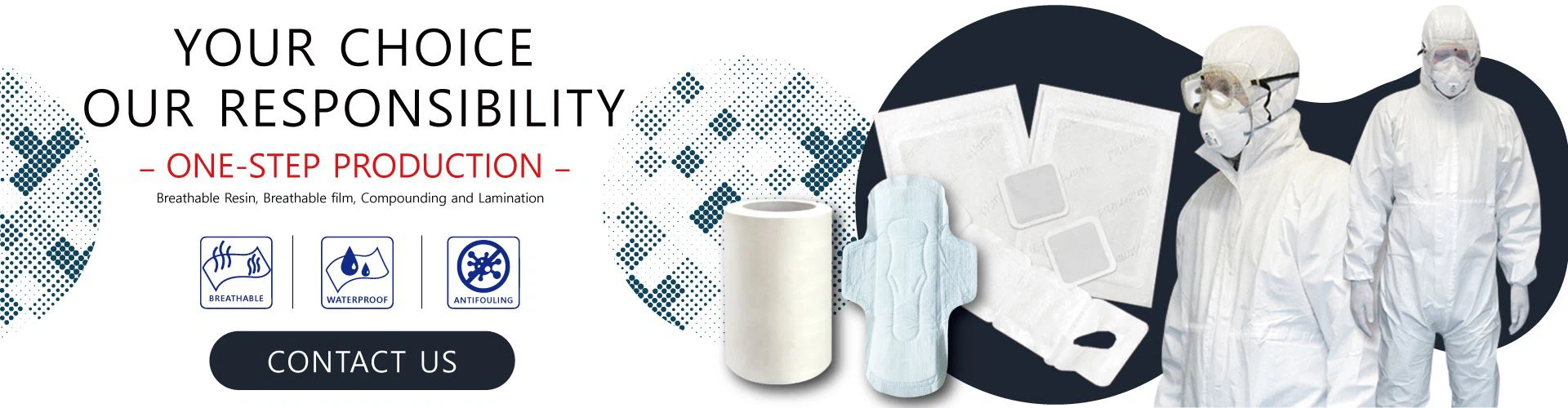
Kae Hwa is a breathable membrane manufacturing company located in Taiwan. The main products are diversified applications such as breathable resins, breathable film, and breathable composite fabrics. With more than 60 years of profound chemical background and understanding of market trends, the company continuously invests in new facilities and upgrades existing equipment to meet market demands. Our skilled R&D team combines professional knowledge with innovative thinking to drive technological progress. We work closely with our production teams to develop state-of-the-art manufacturing techniques, ensuring that each product meets world-class quality standards.
In order to serve the needs of customers in different countries, we produce in factories in Taiwan and Malaysia, providing a variety of high-quality waterproof and breathable products for customers to use, such as baby or adult diapers, sanitary napkins, nursing pads and other waterproof and breathable back layers, Type 4B /5B/6B industrial protective clothing, AAMI Level 4 medical protective clothing, isolation clothing, agricultural waterproof and breathable cover cloth, waterproof and breathable raincoat, desiccant packaging materials, warm bag packaging materials, etc.

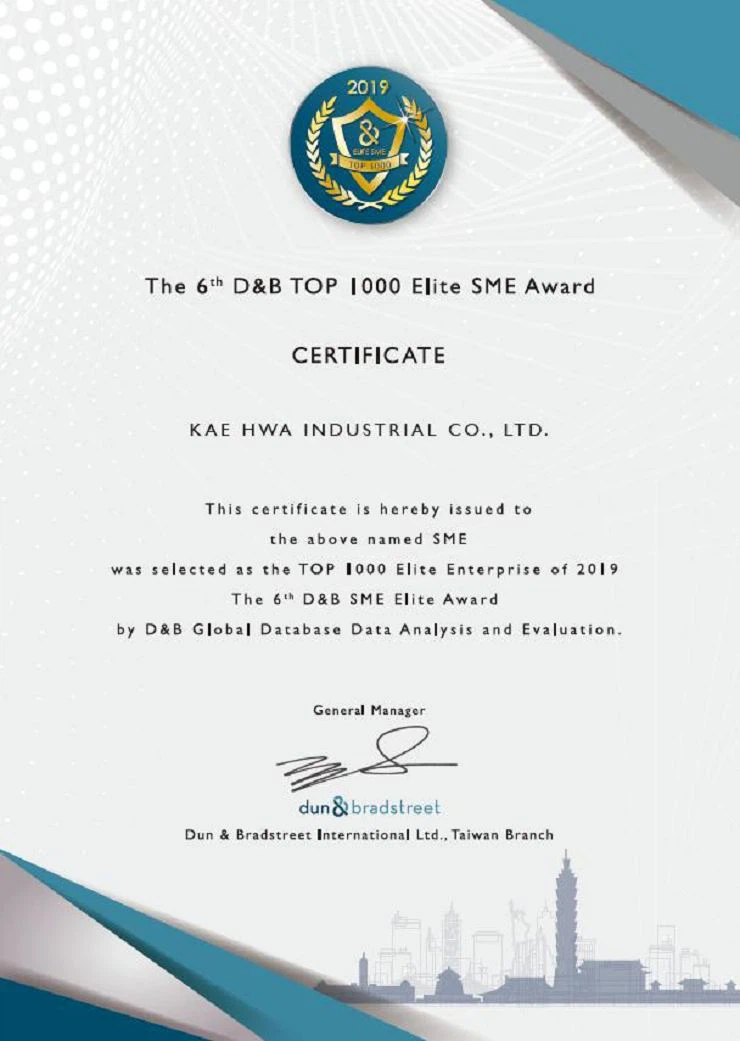
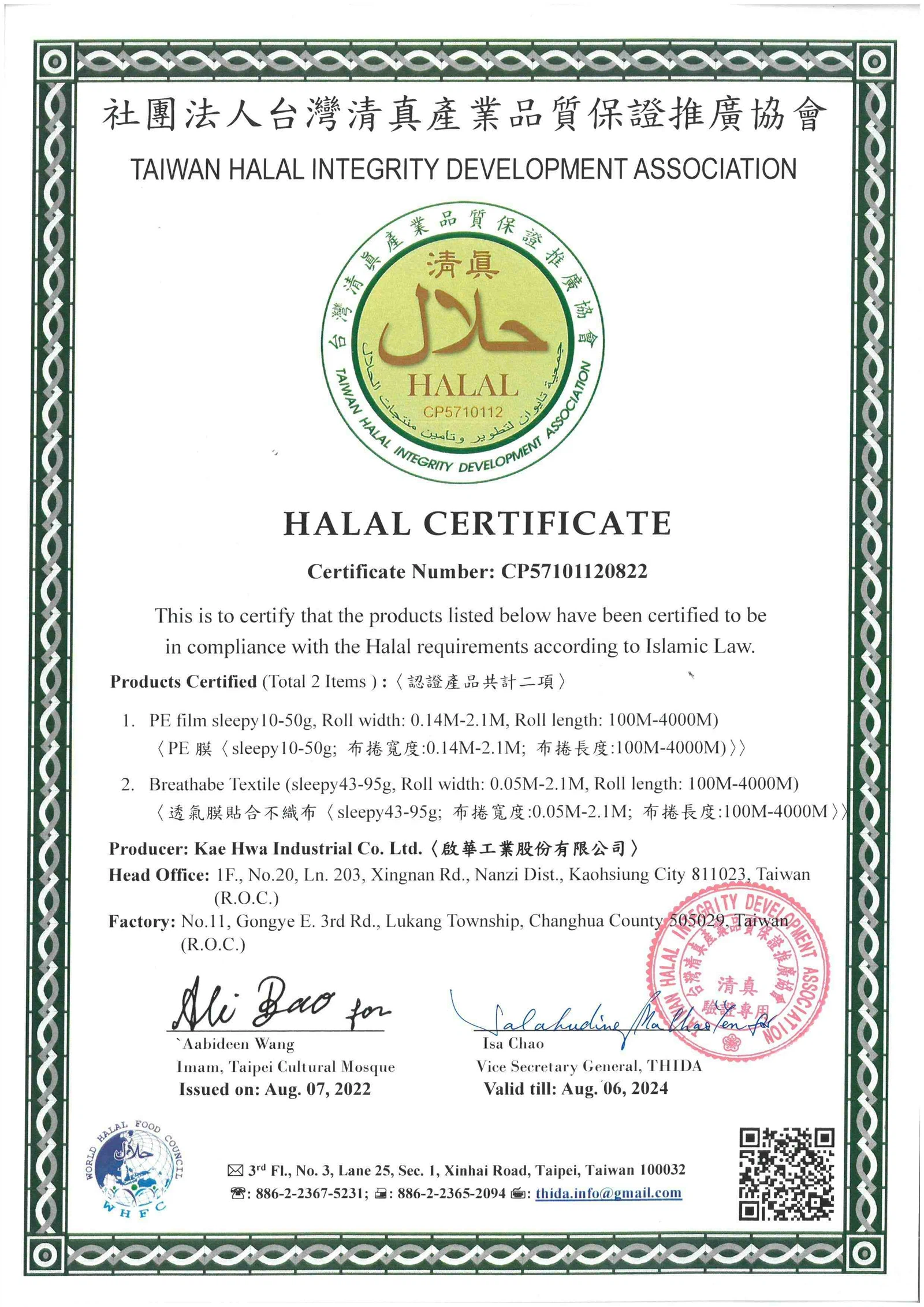
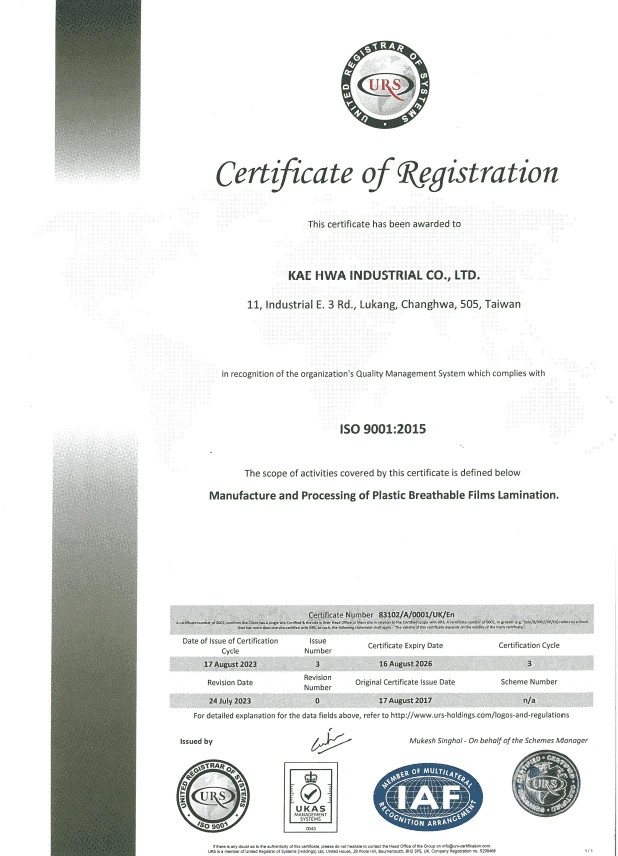
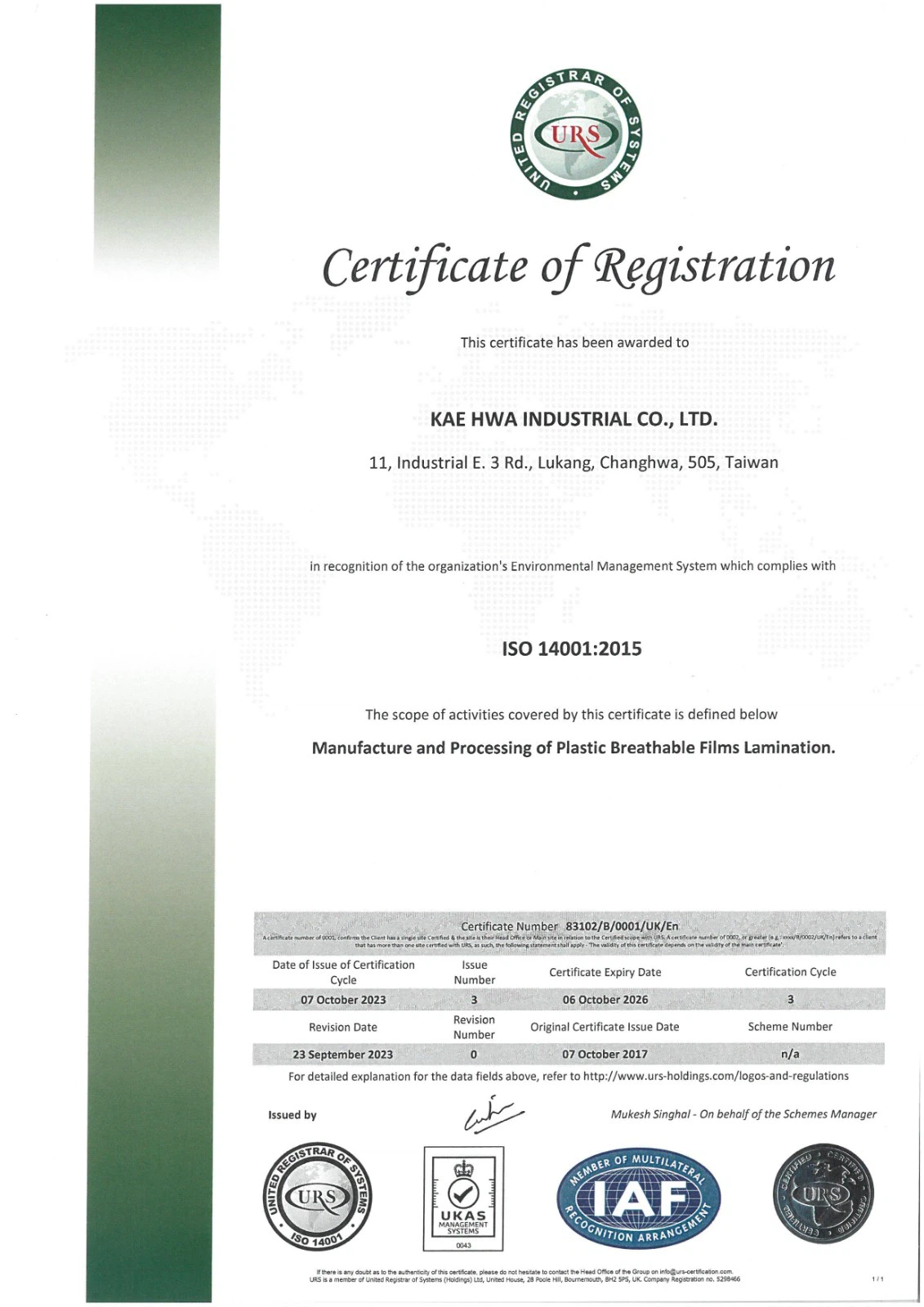
Our Certificate
Q: What are the uses of Tpee?
Q: What is the density of TPEE?
Q: Is polyester a TPE?
Q: What is the difference between TPE and Tpee?
Q: What is the density of thermoplastic polypropylene?
Q: What is the grade of TPE material?
Q: Is TPU and TPE the same?
Q: Does TPE contain polyurethane?
Q: Is neoprene a TPE?
Q: What is the strength of elastomers?
Q: What is the difference between TPE and polypropylene?
Q: Is PTFE a thermoplastic elastomer?
Q: What is the tensile strength of TPE?
Q: How do you find the density of plastic film?
Q: What is the density of PVC film?
Q: What is TPR plastic material?
Q: What is the formulation of TPE?
Q: Is TPE and PVC the same?
Q: What is the chemical structure of TPE?
Q: What is the full form of TPE test?
 English