
 English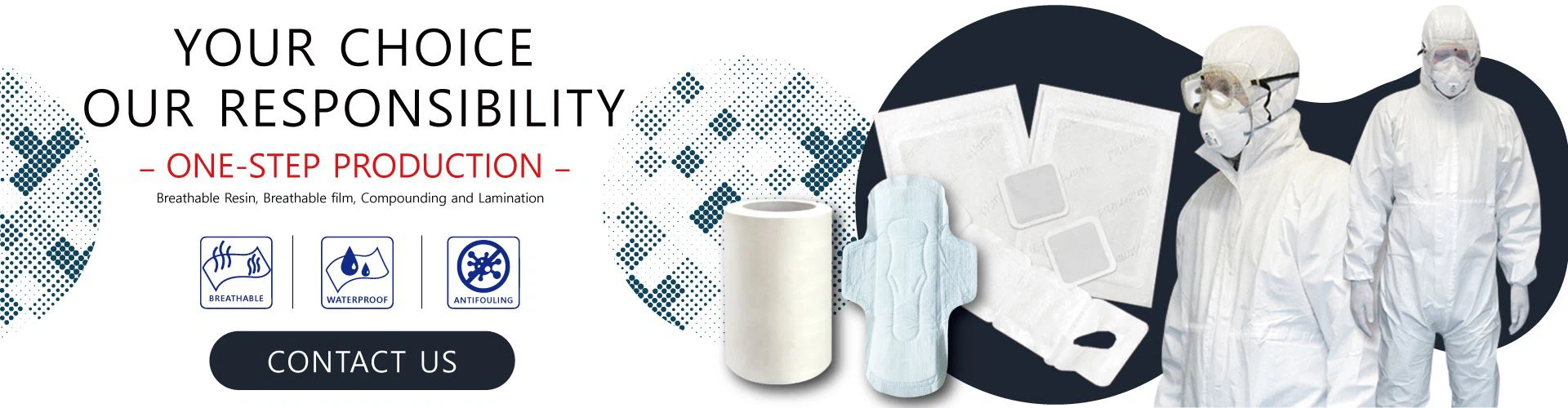

Medical Protective Gown
Medical Protective Gown are examples of personal protective equipment used in health care settings. They are used to protect the wearer from the spread of disease-causing microorganisms if the wearer comes in contact with potentially infectious liquid or solid material. They may also be used to help prevent the wearer from transferring microorganisms that could harm vulnerable patients, such as those with compromised immune systems. Gowns are intended to provide broad barrier protection. At this time, the FDA has not cleared, approved, or authorized any gowns for specific protection or prevention against the virus that causes COVID-19. Gowns are one part of an overall infection-control strategy.
Why Choose Us
Competitive Price
We have a professional purchasing team and costing team, trying to reduce costs and profits, and provide you with a good price.
Production Equipment
We have devoted amount of resource for maintain and keep our equipment in the best state for our customers.
Professional Team
Our self-developed additives based on our professional chemical knowledge, such as wet indicator ink, coating glue, antistatic additives, etc., can provide professional advice to customers facing chemical problems.
Product tTracking System
With a complete traceability system, once the batch number is obtained, the entire production process and raw materials can be traced
What is Medical Protective Gown
Medical Protective Gown are examples of personal protective equipment used in health care settings. They are used to protect the wearer from the spread of disease-causing microorganisms if the wearer comes in contact with potentially infectious liquid or solid material. They may also be used to help prevent the wearer from transferring microorganisms that could harm vulnerable patients, such as those with compromised immune systems. Gowns are intended to provide broad barrier protection. At this time, the FDA has not cleared, approved, or authorized any gowns for specific protection or prevention against the virus that causes COVID-19. Gowns are one part of an overall infection-control strategy.


Benefits of Medical Protective Gown
If you're working with chemicals, it is imperative to wear full PPE from goggles to gloves. Harmful and corrosive substances, particularly liquids, can be very dangerous if spilled or leaking occurs; often resulting in splashes which can be life-altering when contact is made with the skin or eyes. When working in an environment that aims to control harmful bacteria such as a clinical lab or a hospital, PPE acts as a barrier between infectious materials that can cause illness and damage to the skin. In these environments, protective clothing is vital.
Respiratory issues from breathing in smoke, gases or chemicals from contaminated air can be toxic, so respirators are essential to protect your lungs from both long-term and short-term gas-related illnesses. However, on oil and gas sites, it is important to be fully equipped with eye protection, hearing protection and flame-resistant clothing. If working in oil and gas wells, this can expose workers to hydrogen sulphide, which can cause irritation and difficulty breathing in some asthmatics. One of the worst gases to inhale is crystalline silica; this is a known lung carcinogen that can cause silicosis and in the worst cases, can be fatal.
It is imperative to keep workers safe and comfortable, even in uncomfortable and dangerous situations. Protective suits and arc flash clothing from are some great examples of how PPE can keep you safe from extreme heat when welding or using electricals for example, as well as extreme cold such as outdoor or underground maintenance work. Multiple layers of PPE are to be worn for extreme temperature, including heat-resistant outerwear for hot environments or thermal layers and wicking material to keep you warm in cold environments.
Whether it's falling rocks or slipping, make sure you're protected with the right footwear and head and body protection when you're entering a hazardous area. Boots with good grip and a helmet are examples of much needed essentials to protect yourself from falling and head injuries while on the job; these injuries are some of the most common in the workplace, so be sure to wear your protective clothing until you are no longer in a hazardous area, particularly in more dangerous areas such as working underground, on building sites and in damp environments.
What are the Applications of Medical Protective Gown
Emergencies
Emergencies mainly include terrorist incidents, accidental leaks of chemical substances, leaks and explosions in chemical plants, etc. When dealing with emergencies, due to the severe and complex on-site environment, the highest level of chemical protective clothing products must be equipped for protection.
Exploration work
In exploration sites such as oil wells and minerals, because the site environment is still unclear, surveyors are required to wear high-level protective chemical protective suits to ensure the safety of personnel.
Chemical production work
In chemical factories, appropriate chemical protective clothing products should be selected based on the types and properties of chemical substances produced by the factory to ensure the production safety of chemical workers.
The use of pesticides in agriculture
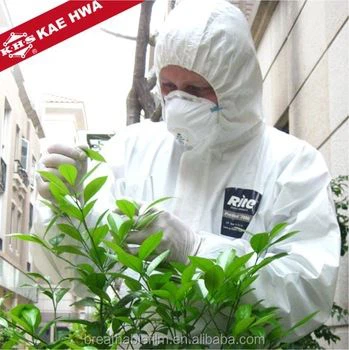
When spraying pesticides manually in agriculture, in addition to wearing special gas masks, pesticides are also corrosive to human skin, so you should also wear protective chemical protective clothing.
Types of Medical Protective Gown
Isolation gowns are designed to protect the wearer from bodily fluids and ensure that the infection is not transmitted to others. They are generally made from non-woven fabrics and are water-resistant. Isolation gowns typically provide full coverage from the neckline to below the knees and are secured using a tie or hook and loop closure at the neck and the back. Many isolation gowns are designed to be disposable, even though reusable isolation gowns are also available.
Surgical gowns are designed to be worn during surgical procedures and other invasive operations. They are made from materials that provide a barrier against fluids and bacteria, such as non-woven fabrics, reinforced with impervious film or polyethylene coating. Surgical gowns should cover both the arms and have a closing mechanism that wilfully adjusts the neckline for fixation and protection during the procedure. Surgical gowns are typically sterile, and healthcare professionals must wear them in a sterile environment to maintain aseptic conditions.
A chemical protective medical gown is worn to protect yourself from hazardous or corrosive substances when handling dangerous medical substances. In addition to the requirements for chemical-resistant protective clothing and chemical corrosion of clothing materials, airtightness and clothing seam structure are more stringent.
Chemotherapy gowns are designed to protect healthcare workers and patients from exposure to cytotoxic drugs. Medical staff may be exposed to these drugs during the preparation or administration of chemotherapy treatment. These gowns should be made of highly impervious, durable, and breathable materials that protect the wearer from these hazardous substances. They provide full coverage of the body and should be used as a single-use product.
Protection Level of Medical Protective Clothing
Minimal risk
A Level 1 gown is for low-risk situations, such as basic care applications, cover gowns for visitors and standard medical unit use. It offers a slight barrier to block small amounts of fluid, as tested by putting water on the surface of the gown.
Moderate risk
As the risk level rises, Level 3 gowns offer a barrier for even more fluid penetration from splatters and soaking. They're appropriate for tasks like arterial blood draws, inserting IV lines and activities in the emergency room or trauma units.
Low risk
Level 2 gowns are for low-risk situations, such as working in a pathology lab, drawing blood from a vein or suturing a patient. They work on larger amounts of fluids from splattering and some exposure from soaking.
High risk
For the highest-risk situations, you'll find protection from fluid and virus penetrations in a Level 4 gown. These gowns are suitable for lengthy, fluid-intense procedures, such as surgery, and situations requiring resistance to pathogens and non-airborne infectious diseases.
How to Choose Medical Protective Gown

Fit
While there are standard sizes for some PPE, it's important to use fitted medical gowns where possible. Ill-fitting PPE can be a major safety hazard, restricting the wearer's movement and causing discomfort. If a surgical gown is too tight, a surgeon may be unable to perform optimally. If an isolation gown is too loose, it may snag on equipment, compromising the wearer's safety and the patient.When choosing medical gowns, purchase the right sizes for staff. Consider taking the measurements of workers to ensure a good fit and maximum protection.

Breathability
Breathability is an important safety factor in certain instances. For example, workers in a stuffy laboratory or vaccination center may require gowns made from more breathable material to work comfortably and safely.
Sterility
Sterile gowns are most commonly used for invasive procedures or where there is a risk of contamination. Non-sterile, reusable gowns are often sufficient for general patient care or low to moderate risk medical situations.

Reusable or disposable
There are pros and cons to choosing reusable and disposable gowns. Reusable and disposable gowns are available in all four protection levels, meaning they can both be used for surgical procedures, provided they pass the necessary testing.
How to test medical protective clothing
Impact penetration
Impact penetration tests reflect a gown's ability to resist fluid spatters. This test involves putting blotter paper behind the material, then spraying a specific volume of water onto it. Less water penetration equals better protection. Level 1 gowns must have results less than or equal to 4.5 grams, while Levels 2 and 3 must be less than or equal to 1 gram.
Hydrostatic pressure
Hydrostatic pressure testing measures how well the material resists water penetration under contact with increasing pressure. As with impact penetration, less water moving through the material indicates better performance. Level 1 gowns do not undergo testing for hydrostatic performance, and Level 2 and 3 gowns must achieve results greater than or equal to 20 centimeters and 50 centimeters, respectively.
Precautions for using protective clothing
Doctor advice
Based on the disease type and exposure risk prediction, choose protective clothing with good protective performance, good comfort, and suitable for your height and weight within the validity period; in addition to protective clothing, you should also need some additional protective equipment when necessary; while ensuring health and completing work Minimize exposure time as much as possible to prevent emergencies from occurring.
Daily attention
After use, when taking off the protective clothing, the contaminated noodles should be wrapped inside, and the protective equipment should be handled concentratedly to avoid expanding contamination. Wash or disinfect hands should be washed or disinfected in all aspects of the process to avoid contamination. Note that when discarding protective clothing, you must strictly abide by relevant laws and regulations, and dispose of protective clothing that can no longer be used according to the medical waste classification method.
Adverse reactions
If the protective clothing is damaged during use, consult a professional promptly and receive active treatment. If you suffer from hypoxia and suffocation due to wearing protective clothing for a long time, you should go to the designated area to change it in time.
A disposable protective gown is a type of personal protective equipment (PPE) used in healthcare settings to protect the wearer from contaminations and infections. These gowns are typically made from non-woven fabric to provide a barrier against fluids and particles. They are designed to cover the entire body and are often used during surgical procedures, patient care, and general infection control protocols.
The global disposable protective gown market is expected to witness significant growth during the forecast period. The primary factors driving market growth include the increasing awareness about infection prevention and control, the rising number of surgical procedures, and the growing focus on healthcare-associated infections (HAIs) prevention. Additionally, the ongoing COVID-19 pandemic has further surged the demand for disposable protective gowns due to the need for enhanced infection control measures.
The market is witnessing various trends that are shaping its growth trajectory. One of the prominent trends is the increasing adoption of eco-friendly disposable gowns that are made from biodegradable materials, reducing environmental impact. Furthermore, manufacturers are focusing on product development to enhance the comfort and usability of these gowns. For instance, the integration of lightweight and breathable materials and the inclusion of features like adjustable closures and easy donning and doffing mechanisms.
Our Factory
Since 1998, Kae Hwa Industries has concentrated and dedicated research and developing the Breathable Resin, Breathable film, Compounding and Lamination for diversity application. With the strong chemical background and understand to the market trend, our company keep investing on new facility and upgrade existing equipment to meet market demand.Today, the significant products has developed for different category by Kae Hwa Taiwan, Malaysia and China facility, such as backsheet for Diapers and Incontinent, Apron, Industrial Coveralls, Outdoor cover, Agriculture cover, Convenient Raincoat, the cover for desiccant, warm pack and etc.

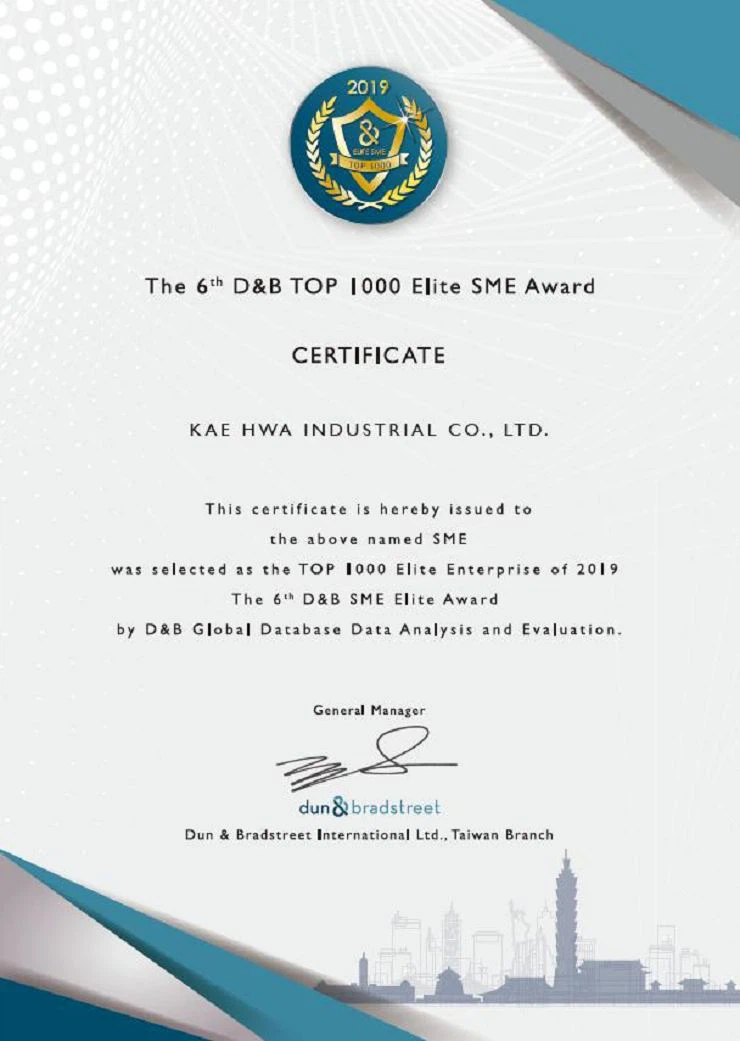
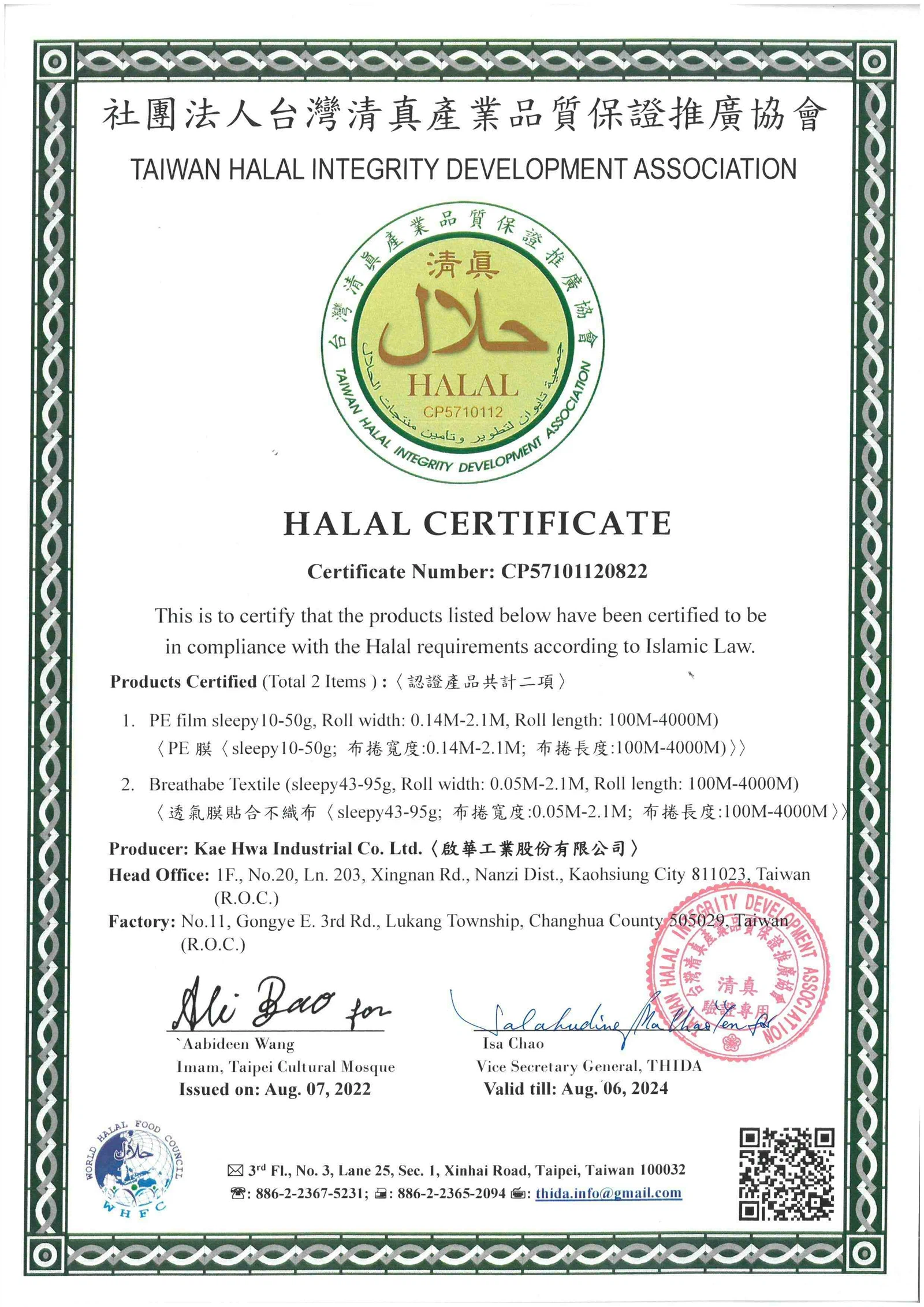
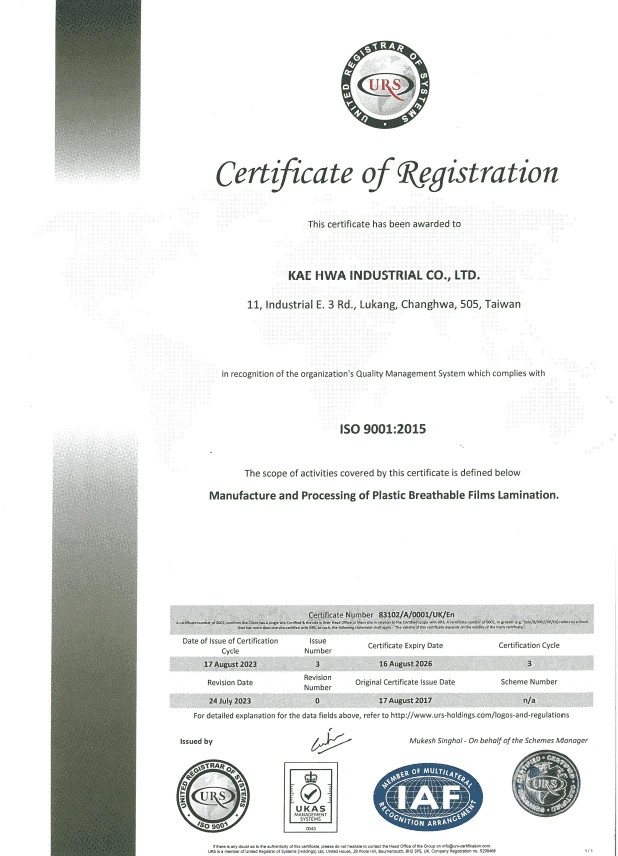
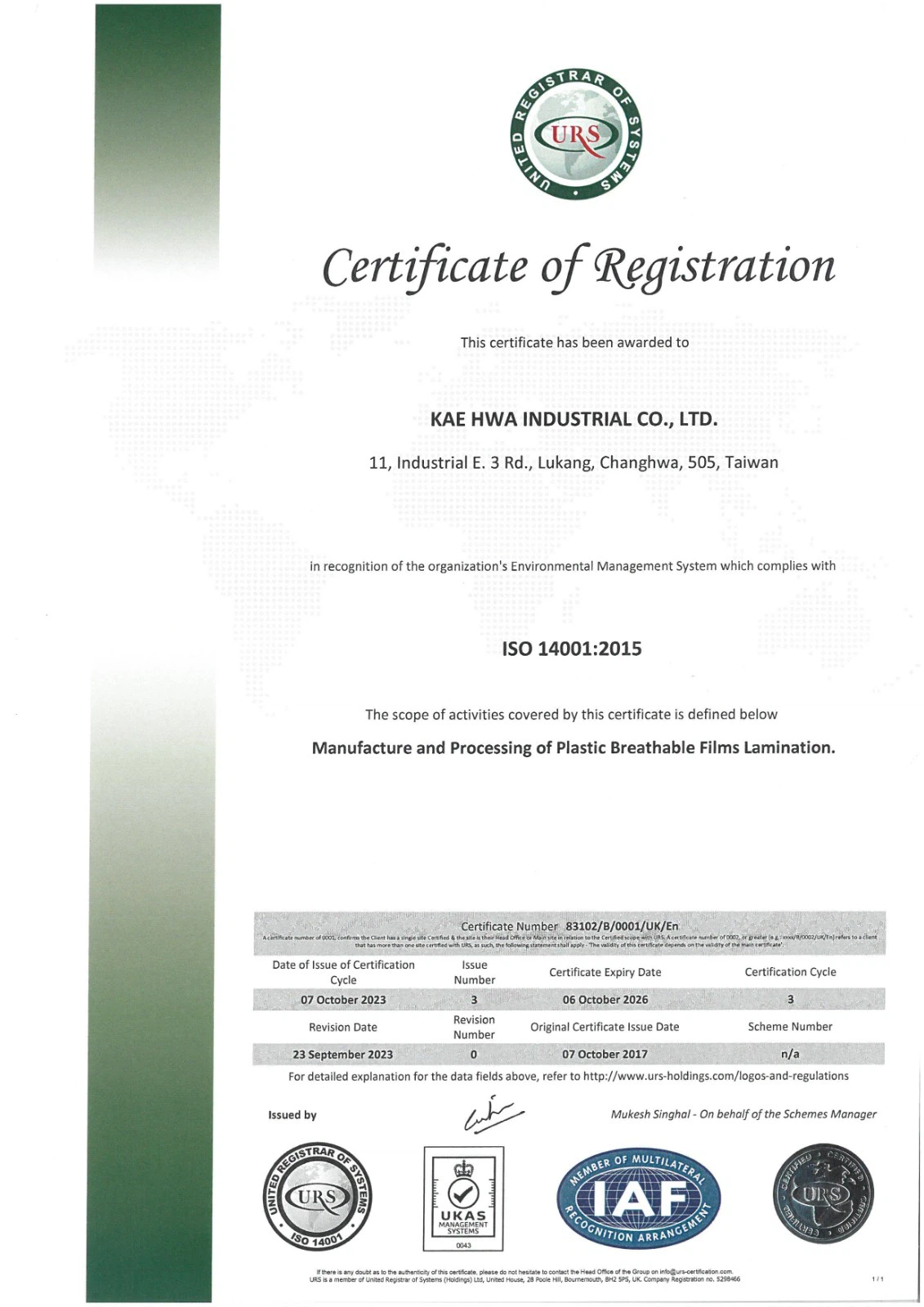
Our Certificate
FAQ
Q: What are the different types of protective gowns?
Q: What is the difference between Level 3 and Level 4 surgical gowns?
Level 3: Moderate Fluid Barrier Protection-Used for the widest range of surgical procedures, where the risk of fluid exposure is moderate. Level 4: Highest Fluid and Microbial Barrier Protection-Provides protection against bloodborne pathogens in critical zones; used for long, fluid-intensive procedures.
Q: What is the difference between Level 1 and Level 2 isolation gowns?
Q: What are the characteristics of PPE gowns?
Q: What is the standard for medical gowns?
Q: What is the difference between Level 1 and Level 3 gowns?
Q: What are Level 4 gowns?
Q: What is a Level 4 surgical gown?
Q: What level are surgical gowns?
Q: What determines the type of PPE you wear?
Q: When selecting PPES What are the characteristics you need to consider?
Q: What are most hospital gowns made of?
Q: What are the characteristics of hospital gown?
Q: What is the use of gowns in PPE?
Q: How should PPE gowns fit?
Q: What class is an isolation gown?
Q: What is AAMI Level 3 gown?
Q: What does a yellow gown mean in a hospital?
Q: What are Level 3 surgical gowns?
Q: What fabric is used for medical gowns?


